Understanding HVAC Systems: Crucial Insights on A/c Units and Their Typical Concerns
Understanding HVAC systems is crucial for maintaining comfy indoor environments. Air conditioning units play a considerable duty in this, counting on elements like compressors and evaporator coils to work properly. They are not without issues. From poor air conditioning to uncommon noises, these issues can interfere with convenience - AC Repair Tampa FL. Determining and resolving them early is essential. What usual challenges do house owners deal with, and how can they assure their systems run successfully?
The Basics of Cooling And Heating Equipments
HVAC systems, necessary for preserving interior convenience, include air flow, air, and heating conditioning modern technologies. These systems work with each other to manage temperature level, moisture, and air quality within commercial and residential areas. The heating component generally involves heaters or warmth pumps that produce heat during chillier months. Ventilation assures the blood circulation of fresh air, lowering interior contaminants and preserving appropriate air quality degrees. This can happen with mechanical methods, such as fans, or normally via home windows and vents.
How Cooling Units Work
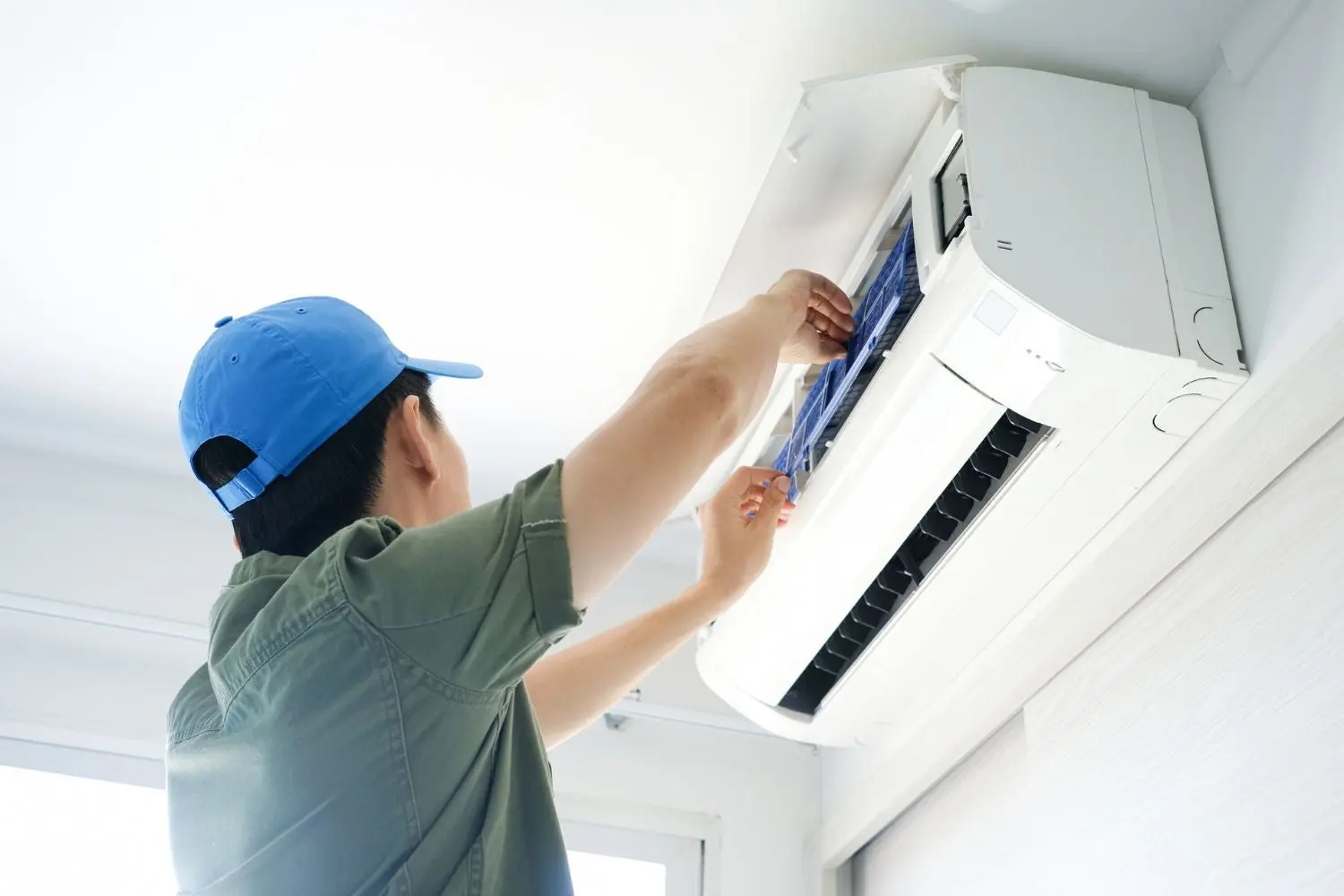
Air conditioning systems contain a number of standard parts that interact to give cooling. Comprehending the cooling cycle process is important to comprehend just how these systems preserve comfy interior temperature levels. This section will explore both the essential elements and the technicians behind their operation.
Basic Components Explained
Cooling systems operate with a collection of fundamental parts that operate in harmony to manage interior temperatures. The compressor functions as the heart of the system, pressing cooling agent and enhancing its stress. The condenser, typically located outside, dissipates heat from the refrigerant, enabling it to change from a gas to a fluid. The growth shutoff after that lowers the stress of the refrigerant, allowing it to cool down prior to entering the evaporator coil. Inside the evaporator coil, the cooling agent takes in warm from the indoor air, properly cooling down the space. Finally, a blower fan flows the cooled down air throughout the environment. Each component plays an important role in guaranteeing effective procedure and ideal convenience within commercial and property settings.
Cooling Down Cycle Refine
The cooling cycle procedure of a cooling unit is a thoroughly coordinated collection of events made to remove warmth from interior spaces. It begins with the evaporator coil, where cooling agent absorbs heat from the indoor air, transforming it from a fluid to a gas. This gas is after that pressed by the compressor, increasing its temperature and pressure. Next off, the hot gas journeys to the condenser coil, where it releases the taken in warmth to the outside air, condensing back right into a liquid. The refrigerant after that flows to the development valve, where its stress declines, allowing it to vaporize again in the evaporator coil. This continuous cycle efficiently decreases indoor temperature levels, maintaining a comfortable environment.
Common Cooling Issues
When it involves preserving interior convenience during heat, usual a/c concerns can disrupt the effectiveness of cooling and heating systems. One common issue is inadequate cooling, which might originate from a dirty air filter, blocked ducts, or refrigerant leakages. Moreover, unusual sounds such as rattling or humming typically show mechanical issues that need interest. Another frequent problem is the system's failure to begin, which might be credited to electric issues or a malfunctioning thermostat. Additionally, water leakages around the unit can indicate stopped up drainpipe lines or a malfunctioning condensate pump, possibly causing water damage. Lastly, an uncommon boost in power expenses might suggest inadequacies within the system, prompting a requirement for maintenance. Addressing these usual concerns promptly can enhance the performance and long life of air conditioning devices, ensuring a comfy interior environment throughout scorching temperature levels.
Fixing Your Air Conditioner
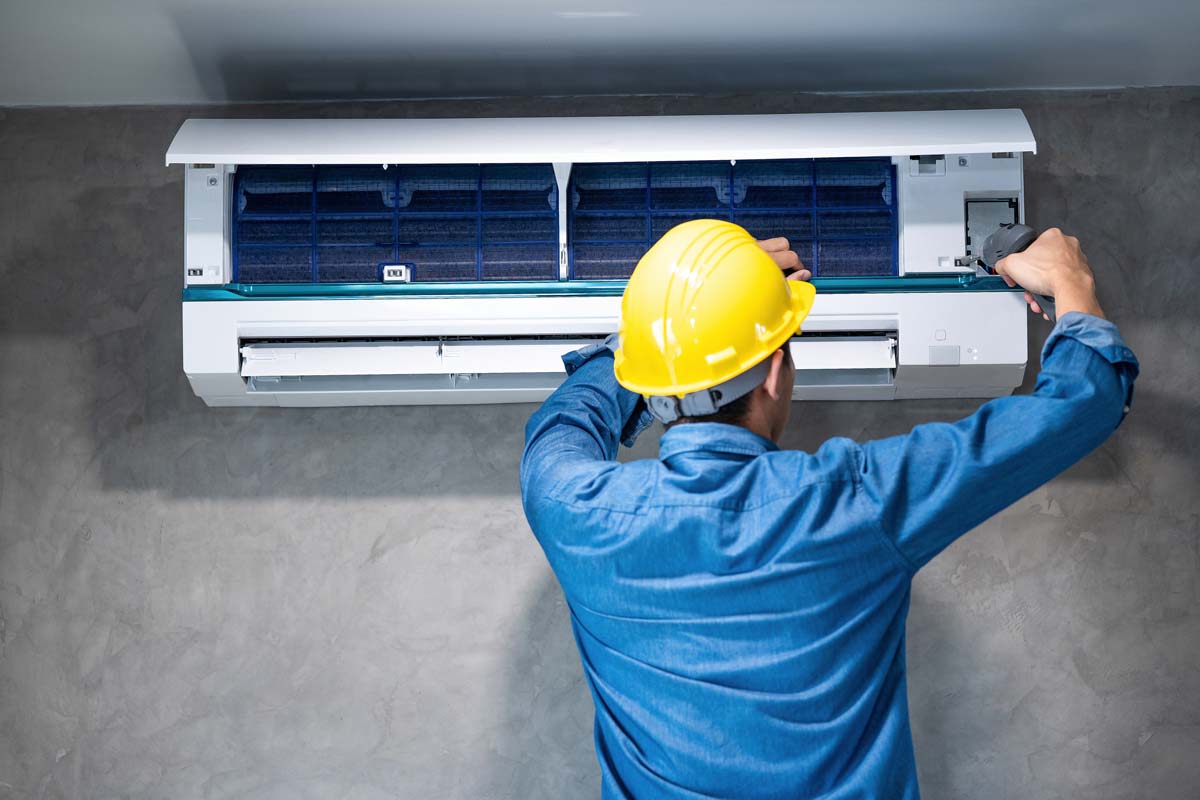
Troubleshooting an ac unit entails determining typical troubles that may arise throughout procedure. By complying with standard fixing actions, house owners can often solve concerns before looking for professional assistance. Recognizing when to employ experts is additionally important for maintaining peak efficiency and effectiveness.
Common Air Conditioning Unit Problems
A/c, while essential for maintaining comfort in homes and companies, can encounter a variety of issues that disrupt their procedure. Common issues include poor air conditioning, where the system stops working to lower the temperature level effectively, commonly because of a refrigerant leakage or a malfunctioning compressor. One more frequent issue is unusual noises, which may suggest worn-out components or loose parts. Air movement troubles can occur from stopped up filters or blocked ducts, leading to lowered performance. Furthermore, water leaks can take place if the drainpipe line is clogged or if the condensate pump stops working. Ultimately, electric concerns, such as tripped breakers or defective electrical wiring, can cause system closures. Acknowledging these typical issues enables prompt treatments, ensuring peak performance.
Fundamental Troubleshooting Actions
Numerous property owners might encounter problems with their air conditioning systems, however standard troubleshooting can frequently deal with these issues without the demand for professional intervention. People must check the thermostat setups to validate it is set to cooling mode and the wanted temperature level. Next off, checking out the air filter for dust and obstructions is crucial, as a tidy filter boosts airflow and efficiency. Homeowners should additionally examine the exterior system for debris that may obstruct air flow. In addition, validating that breaker are not tripped can stop power concerns. Lastly, paying attention for unusual noises can show problems. By complying with these steps, several typical cooling issues can be attended to properly, ensuring a comfortable indoor setting.
When to Call Professionals
Just click for source how can a house owner figure out when it's time to seek expert aid for their air conditioning system? Identifying the signs of a malfunctioning unit is crucial. If the air conditioner stops working to cool effectively, generates odd noises, or discharges unpleasant odors, professional treatment might be needed. Furthermore, frequent cycling on and off or recognizable increases in energy costs can indicate underlying problems that need experienced diagnostics. If they observe noticeable leaks or extreme humidity inside your home, property owners need to also take into consideration calling a service technician. Normal maintenance is very important, however when troubles linger regardless of standard repairing initiatives, getting a professional is the most effective strategy to guarantee safety and security and restore peak efficiency in the air conditioning device.
Important Maintenance Tips for Heating And Cooling Solutions
Although a/c systems are developed for toughness, routine maintenance is necessary to assure their performance and long life. One important pointer is to replace or clean air filters each to three months, as clogged up filters impede airflow and lower effectiveness. Additionally, examining and cleaning the exterior condenser unit aids avoid debris accumulation that can block air flow and warmth exchange. Ac Tampa FL. Ensuring that the thermostat is working properly is likewise vital, as inaccurate readings can lead to unnecessary power usage
Scheduling seasonal expert inspections can determine possible issues early, making sure peak efficiency. Homeowners ought to additionally inspect ductwork for leaks, which Going Here can substantially impact system performance. Keeping correct insulation around ducts and ensuring sufficient air flow can boost overall system efficiency. By adhering to these upkeep ideas, heating and cooling systems can run better, supplying convenience while decreasing energy prices.
The Relevance of Normal Cooling And Heating Inspections
Normal a/c evaluations are vital for preserving system effectiveness and stopping expensive fixings. These inspections permit qualified specialists to recognize and deal with possible issues before they escalate, making certain that the system runs at peak efficiency. Regular assessments can enhance power performance, causing minimized energy bills and a lower ecological influence.
Routine evaluations can expand the life-span of Cooling and heating systems, as specialists clean elements, replace filters, and examine for indications of wear. This proactive technique lessens the possibility of unexpected failures throughout height usage periods. Furthermore, regular evaluations add to enhanced indoor air quality by making certain that the system is working appropriately and properly filtering system contaminants.
Eventually, purchasing regular heating and cooling evaluations cultivates an extra comfy living setting and safeguards against the inconveniences and expenditures connected with emergency repair work. This method is a key element of accountable a/c monitoring, profiting both home owners and industrial residential or commercial property owners alike.
Upgrading Your Heating And Cooling System: When to Consider It
When considering the long-lasting efficiency of an a/c system, home owners and residential or commercial property managers may at some point face the decision to update their devices. A number of elements can influence this option, consisting of performance, age, and power effectiveness. Normally, an a/c system older than 10-15 years might battle to provide sufficient heating or air conditioning, causing increased energy expenses and discomfort.
In addition, pop over to this site regular fixings can signal that an upgrade is required. If a system requires numerous repairs within a brief period, it might be a lot more affordable to buy a brand-new unit.
Furthermore, developments in innovation offer newer systems that are extra energy-efficient and environmentally pleasant, potentially lowering operating costs. Home owners should also consider adjustments in their area requirements, such as altering or including spaces use patterns, which might necessitate a much more robust system. Inevitably, identifying these signs can bring about notified choices relating to a/c upgrades.
Often Asked Inquiries
What Is the Ordinary Life Expectancy of a Cooling System?
The average life expectancy of an air conditioning device typically ranges from 15 to two decades, relying on aspects such as use, upkeep, and environmental conditions. Correct treatment can prolong this lifespan beyond the ordinary expectancy.
Just how much Does It Price to Fix a Cooling And Heating System?
The price to fix a heating and cooling system varies widely, normally varying from $150 to $1,500, relying on the issue's intricacy, the required parts, and labor prices, affecting overall costs for homeowners seeking repairs.
What Are the Indicators of an Ineffective Air Conditioner?
Signs of an ineffective air conditioning system include irregular cooling, raised energy bills, unusual sounds, frequent cycling on and off, and the existence of wetness or frost on the unit. These indications recommend possible underlying concerns calling for attention.
Can I Set Up a Cooling Unit Myself?
Considering self-installation of a cooling system, one should examine their technological skills and expertise. While it is feasible, improper installation might bring about ineffectiveness and potential damage, suggesting expert aid is frequently advisable.
Just how Do I Choose the Right Size Air Conditioning Unit for My Home?
Choosing the ideal size ac system involves determining the home's square video, thinking about insulation top quality, and examining climate variables. Correct sizing assurances effective cooling, power savings, and excellent comfort throughout the home.
HVAC systems, necessary for preserving interior comfort, include home heating, air, and air flow conditioning modern technologies. Air flow assures the circulation of fresh air, minimizing interior pollutants and keeping acceptable air quality levels. Air conditioning, though a separate function, is integral to the Cooling and heating system, providing cooling alleviation throughout warmer periods. When it comes to preserving indoor comfort during hot weather condition, usual air conditioning issues can interfere with the effectiveness of HVAC systems. Numerous home owners may run into problems with their air conditioning systems, however basic troubleshooting can frequently deal with these problems without the demand for expert intervention.